
Eight of the ten commandments are about what thou shalt not. But you can live a whole life not doing any of that stuff and still avoid doing any good. That’s the whole crisis. The rot at the root of everything. The belief that goodness is built on a constructed absence, not-doing. That belief corrupts everything, has everyone with any power sitting on their hands.

Kaveh Akbar’s Books
Similar authors
-
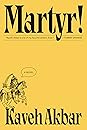 Martyr!
4.16 164,059 ratings reviewsPublished 2024
Martyr!
4.16 164,059 ratings reviewsPublished 2024 -
 Calling a Wolf a Wolf
4.32 5,711 ratings reviewsPublished 2017 6 Editions
Calling a Wolf a Wolf
4.32 5,711 ratings reviewsPublished 2017 6 Editions -
 Pilgrim Bell: Poems
4.21 2,228 ratings reviewsPublished 2021 5 Editions
Pilgrim Bell: Poems
4.21 2,228 ratings reviewsPublished 2021 5 Editions -
 Portrait of the Alcoholic
4.41 850 ratings reviewsPublished 2017
Portrait of the Alcoholic
4.41 850 ratings reviewsPublished 2017 -
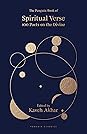 The Penguin Book of Spiritual Verse: 110 Poets on the Divine ...
4.25 252 ratings reviewsPublished 2022 4 Editions
The Penguin Book of Spiritual Verse: 110 Poets on the Divine ...
4.25 252 ratings reviewsPublished 2022 4 Editions
Related News

The Goodreads Editors Share Their Book Picks for March
Here at Goodreads World Headquarters, we sort through a lot of books each month. Our monthly Readers' Most Anticipated Books feature is exactly...
49 likes · 5 comments
Author Details
Quotes
Love was a room that appeared when you stepped into it.
If the mortal sin of the suicide is greed, to hoard stillness and calm for yourself while dispersing your riotous internal pain among all those who survive you, then the mortal sin of the martyr must be pride, the vanity, the hubris to believe not only that your death could mean more than your living, but that your death could mean more than death itself—which, because it is inevitable, means nothing.